
Over the past weekend (June 13–14), Qunan Group organized an inspiring Effective Business Communication training program. We were honored to welcome Mr. Cai Wei, Founder of Yuandao Culture, as our keynote trainer.
There were no dull theories in Mr. Cai's classroom—only practical insights, engaging interactions, and countless memorable "Cai Quotes" that sparked new ways of thinking.
"Use the wisdom of everyone to solve everyone's problems."
This is not only the definition of communication, but also the greatest takeaway from our two-day learning journey.

Group photo of all Qun An Group participants
Throughout the training, one word kept appearing:
Initiative.
"Being proactive is power; being passive leads to problems."
This is more than just a slogan—it is the key to breaking communication barriers in the workplace. Many misunderstandings come from assuming others already know, while many conflicts begin because we wait for someone else to ask.
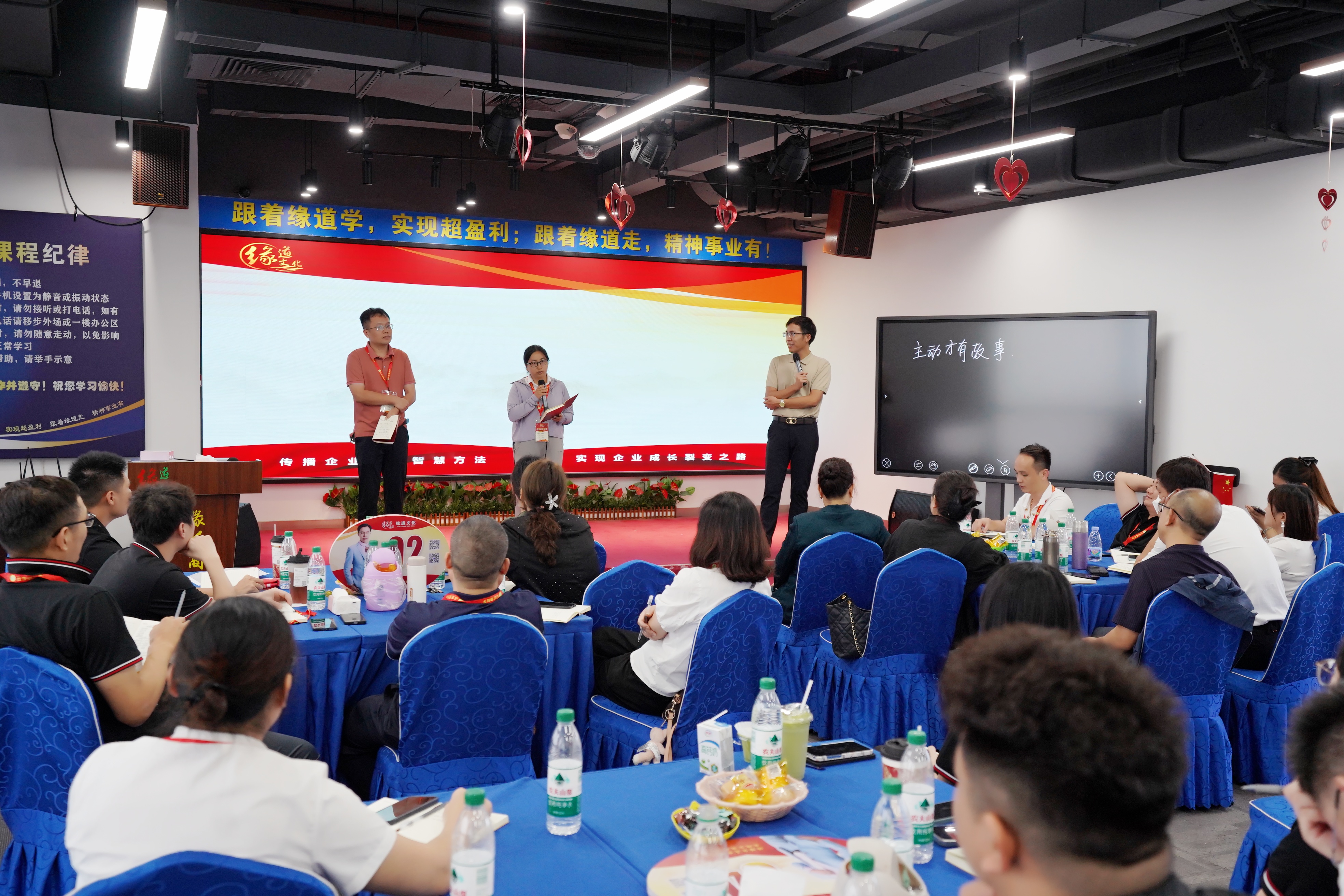
Training session with Mr. Cai Wei
Mr. Cai shared four winning mindsets that build confidence in communication:
Your mindset determines your wealth. (Take action.)
Your attitude determines your results. (Stay energetic and positive.)
Your thinking determines your opportunities. (Develop the right mindset.)
Your network determines your net worth. (Build valuable relationships.)
Remember:
Desire comes before everything else.
When you truly want something, you'll take the initiative.
When you take the initiative, opportunities begin to appear.
Successful communication begins with the right environment. According to Mr. Cai, six essential elements are required:
A positive attitude
Willingness to cooperate
Loyalty
Integrity
Strong results
The right mindset and position
A positive attitude can turn challenges into opportunities, while shared values and alignment determine whether a team can grow together over the long term.
This was perhaps the most memorable lesson of the entire training.
Whenever we speak, our words should benefit others.
Whenever we communicate, we should spread positive energy.
When people first feel your kindness and sincerity, even difficult conversations become much easier.
Communicating Upward
Be courageous.
Take the initiative.
Bring solutions when asking for guidance.
Communicating with Peers
Be sincere.
Support one another.
Never undermine your teammates.
Communicating Downward
Lead with care.
See the bigger picture.
Guide through questions such as, "What else?"
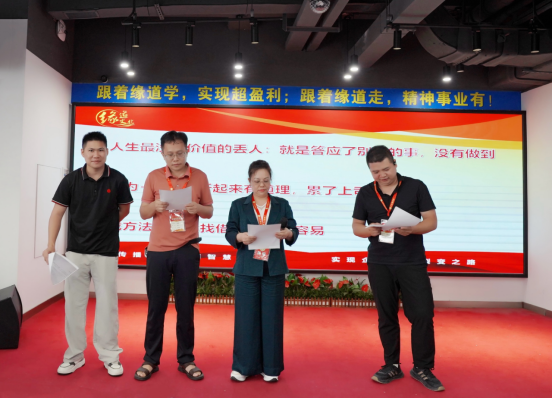
Participants actively answering questions
We also learned the four key characteristics of effective communication:
Communicate in ways that others can easily accept.
Ask more questions instead of making judgments.
Focus on collaboration throughout the process.
Always strive for win-win outcomes.
"If you want others to meet your needs, first help meet theirs."
What defines a truly strong person?
Mr. Cai offered a simple yet powerful answer:
A strong person positively influences others while also being positively influenced by others.
He also reminded us that one of humanity's greatest weaknesses is the inability to stay consistent.
Through group competitions, rapid-response quizzes, and memorization exercises, we experienced firsthand how continuous reflection and practice lead to continuous improvement.

Interactive moments during the training
To earn points for their teams, everyone stepped outside their comfort zones and confidently recited key communication principles.
At that moment, we weren't simply learning communication—we were breaking the habit of inconsistency through action.
The highlight of the training came when each group selected a representative to deliver a presentation.
Following a structured presentation framework—
Greeting → Self-introduction → Appreciation → Key Takeaways → Best Wishes
participants transformed two days of learning into confident speeches on stage.

Participants taking part in interactive activities
Watching our colleagues shine on stage reminded us that:
Commitment builds trust, and trust creates opportunities.
Although some presentations were naturally a little nervous, every participant demonstrated the courage to step forward and express themselves.
That courage perfectly reflected the spirit of using collective wisdom to solve collective challenges.
Throughout the training, we also learned how to offer genuine praise—by recognizing specific details and acknowledging others publicly—and how to become better listeners by taking notes attentively and allowing others to finish speaking without interruption.
The two-day training concluded with evaluation sessions, group photos, and plenty of smiles and laughter.
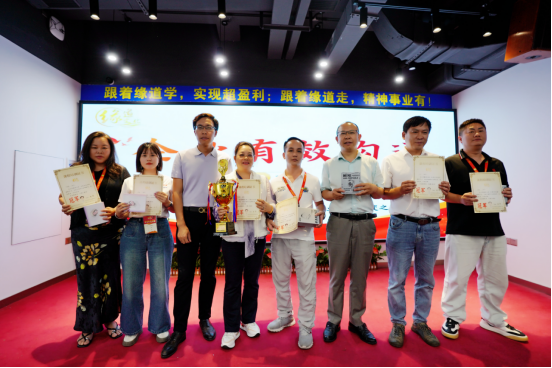
Group 1 with Mr. Cai Wei
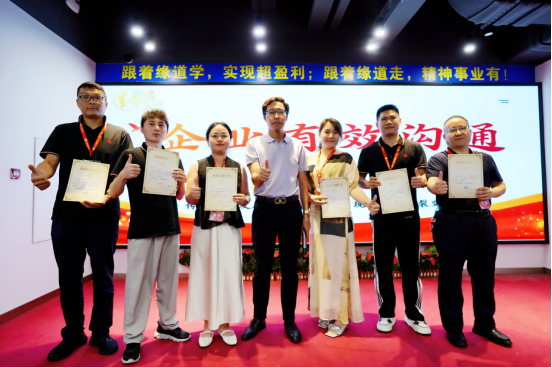
Group 2 with Mr. Cai Wei

Group 3 with Mr. Cai Wei
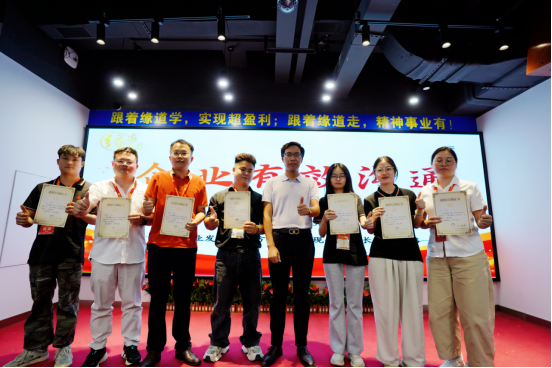
Group 4 with Mr. Cai Wei
Before the training ended, Mr. Cai shared one final message that we would also like to pass on:
"When your mindset stays the same, your world stays the same. Change your mindset, and new possibilities will unfold."
He also reminded us:
Without greater love and care for others, real transformation cannot happen.
As we move forward, may we continue to give more, smile more, appreciate more, and communicate more effectively—creating extraordinary achievements through everyday interactions.
In your workplace, which do you find more challenging: communicating with your managers or communicating with your peers?
We'd love to hear your thoughts in the comments below!
Note: The key concepts and quotations in this article are summarized from Mr. Cai Wei's Effective Business Communication training course. Our sincere thanks to Mr. Cai and Yuandao Culture for this inspiring learning experience.
